Building a brand identity is one thing—making it last in a fast-changing world of trends and platforms and shifting audience moods is another. Traditional brand consultants and strategy frameworks still matter, but a new kind of support is making its mark: ChatGPT. It's not about letting AI take over your brand but about using it as a partner—one that helps you think clearer, write faster, and stay focused.
Whether you're creating from scratch or realigning an off-course brand, ChatGPT offers speed, structure, and fresh perspective. This isn’t a hype piece—it’s a real look at how AI can help simplify and strengthen your brand strategy.
The heart of a brand strategy lies in answering hard questions: What do you stand for? Who do you serve? Why does it matter? These answers aren’t always obvious, especially when you’re close to the work. That’s where ChatGPT shines. It acts like a curious, tireless brainstorming partner—asking follow-ups, challenging vagueness, and pushing your thinking further.
Say you're refining a mission statement. You can feed ChatGPT your raw notes, ideas, or even messy drafts. It helps sharpen them—not with fluff but with cleaner phrasing, clearer intent, and options to choose from. You don't settle for what sounds good—you go with what feels right.
It's also useful for nailing your audience—not in a demographic box but in voice, values, and triggers. With niche-specific prompts, you can surface clearer pictures of who you're talking to and how to reach them.
Brand messaging becomes easier, too. You don't start from scratch—you start from 10 rough options. Most will be bad. That's okay. One might unlock the idea you were circling. ChatGPT isn’t the voice—it’s the volume knob, the amplifier that helps you hear your real brand message.
A great brand gets derailed when its voice keeps shifting. Your site sounds confident, but your Instagram is awkward. Emails feel human, but the packaging is cold. That mismatch breaks trust. ChatGPT helps plug those gaps by building a foundation you can return to: your brand voice.
Start with a few content pieces. Ask ChatGPT to analyze your tone. It’ll tell you if your voice is warm, blunt, playful, or formal. From there, you can craft a tone guide—and then use that as the base for everything else. Every time you write, you prompt ChatGPT to stick to that voice. It’s like having a consistent editor on standby.
You can also use it to clean updrafts. A FAQ that sounds robotic? It can rewrite it more casually. A sales email that feels pushy? Ask for a softer version. That consistency across touchpoints turns scattered efforts into a clear, reliable presence.
While it can't design visuals, it can steer ideas. Ask for mood board direction, emotional tone, or colors that fit a feeling. It's not a designer, but it’s an idea generator. One suggestion might become the mood of your next campaign.
Most brand strategies get left behind once things change—and they always change: new audience demands, new product lines, new competition. The power of ChatGPT is in making brand strategy something you update, not something you finish.
Say you're launching a product. Instead of rewriting messaging from scratch, ask ChatGPT to align the new copy with your current tone and goals. If your last campaign flopped, feed it your metrics and let it help rework your approach. When you're considering a pivot, it can compare old positioning to new ideas—and make the shift smoother.
This real-time feedback loop makes branding flexible, not rigid. You don’t wait for a consultant or a quarterly review. You adapt on demand, exploring changes without breaking your flow.
Even your content calendar benefits. Tell ChatGPT your focus this season, and it can pitch aligned blog ideas, social captions, or promotional hooks that match your brand voice. There will be no scramble, no burnout.
It doesn’t replace strategic thinking—it supports it. It keeps your brand alive and moving with the world around it. That’s the difference between static branding and something that actually breathes.
ChatGPT can do a lot. But it still needs you at the helm. It can mimic tone, draft ideas, and refine phrasing—but it doesn’t feel pressure, purpose, or gut instinct. That’s your role. And it’s why the best use of ChatGPT in branding isn’t delegation—it’s collaboration.
You lead with your understanding. ChatGPT helps sort it, clean it, and push it forward. When you hit a mental wall, it keeps the momentum. When your thoughts feel scattered, they return to structure.
It also highlights what's missing. Just by bouncing your values off the AI, you'll spot gaps in tone, inconsistencies in voice, and contradictions in your values. Its feedback forces clarity, which is a gift, especially when most brands hide behind complexity.
Think of ChatGPT as a second set of eyes—nonstop, fast, and never precious about the work. It doesn’t care how good the copy is. But it helps you care more because it makes the path clearer.
Your brand still needs your heart. It needs your experience and voice. But ChatGPT is the tool that makes those things easier to shape. That’s how you use AI to stay human—and strategic—at the same time.
Brand strategy isn’t about static plans—it’s about staying clear, consistent, and adaptable. ChatGPT won’t define your brand for you, but it helps refine your thinking, sharpen your message, and speed up your workflow. As your business grows or shifts, this tool can evolve with you, offering fresh ideas and structure without losing your voice. It's not a replacement for human insight but a reliable, creative partner. When used intentionally, ChatGPT brings momentum to strategy and helps keep your brand aligned with what matters most—your purpose, your audience, and your unique voice in the noise.
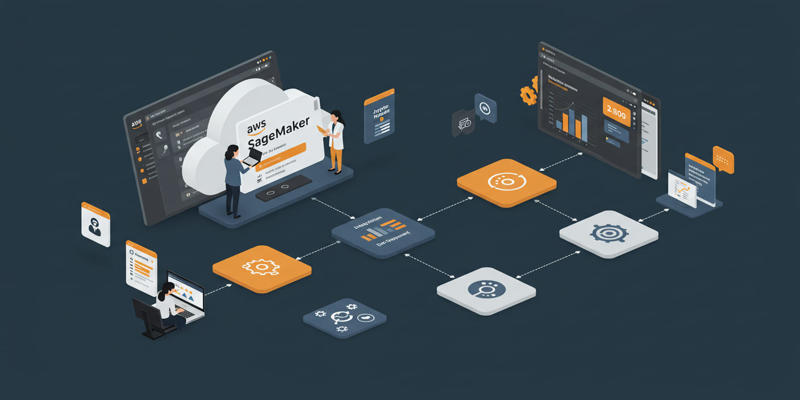
SageMaker Unified Studio AWS creates one unified environment connecting analytics and AI development processes for easy data management, data governance, and generative AI workflow operations.

Unlock game-changing secrets to dominate Amazon with ChatGPT. Discover how this powerful AI tool can transform your product research, listing optimization, customer support, and brand scaling strategies, giving you a competitive edge on Amazon

From predicting customer preferences to improving supply chain management, AI has transformed the retail industry in various ways
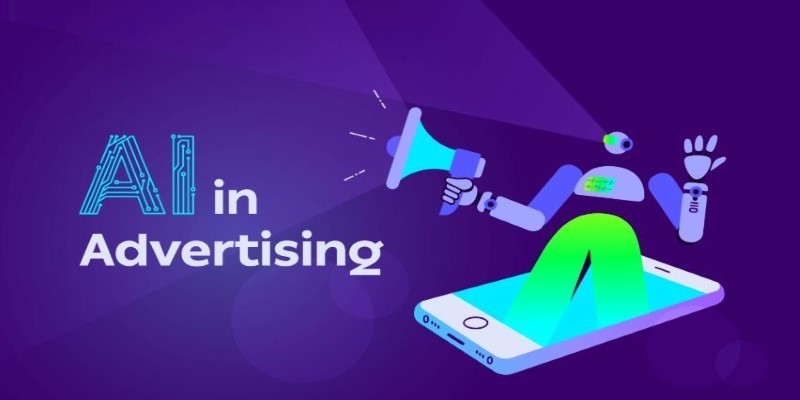
How AI in advertising is transforming targeted marketing campaigns by enabling businesses to create personalized ads, improve customer experience, and boost conversion rates. Learn the future trends in AI-driven advertising

Neuromorphic computing is transforming artificial intelligence by mimicking the human brain. Learn how AI inspired by the human brain is leading to smarter and more energy-efficient technology

AI in Mental Health is transforming emotional care through therapy bots and emotional analysis tools. Discover how AI provides support, monitors emotions, and improves mental well-being

Learn simple steps to estimate the time and cost of a machine learning project, from planning to deployment and risk management

How Convolutional Neural Networks are transforming image processing across industries, enabling machines to interpret visuals with precision and speed

Understand artificial intelligence with a clear definition and an in-depth look at its real-world scope across industries, daily life, and future impact

Conversational chatbots that interact with customers recover carts, and cleverly direct purchases will help you increase sales

Learn five powerful ways machine learning transforms digital marketing through smarter targeting, personalization, and support

AI in Art is reshaping creative industries with Generative Art and Music. Learn how artists are using AI creativity tools to explore new artistic possibilities and redefine modern expression