Art has always reflected the world around us — shaped by human hands, thoughts, and emotions. But today, creativity is entering a new chapter. The rise of AI in art is changing how we create and experience beauty. From stunning digital paintings to original music compositions, machines are becoming creative partners rather than just tools.
This shift isn’t about replacing artists — it’s about expanding what’s possible. Generative art and music allow creators to experiment in ways never seen before, blending technology with imagination. As boundaries fade between human creativity and machine intelligence, a new era of artistic expression is taking shape.
AI in art may seem magical, but it relies on a clear process rooted in data and learning. It starts by feeding the AI thousands of existing works — paintings, photos, or songs — from various styles and periods. The AI studies these pieces, learning patterns, colors, rhythms, and structures. Using this knowledge, the system generates original creations that feel new yet familiar. This blend of learned style and fresh details allows AI to produce unique works of art and music.
One of the most thrilling methods applied in generative art and music is Generative Adversarial Networks (GANs). Two models of AI collaborate here: a generator creates, and a critic criticizes. With each cycle of criticism, the generator becomes better, creating art or music that feels more human in terms of detail and expression.
Natural language processing is another fascinating tool. Artists direct AI work with simple text phrases such as "peaceful ocean sunset" or "soft jazz melody." AI then generates pictorial or sonic pieces according to demand.
Importantly, AI is not here to replace the artist. Many modern tools encourage collaboration between human imagination and machine intelligence, creating a unique partnership where technology supports — rather than overshadows — creative vision.
Generative art and music are reshaping the creative world, offering artists new ways to explore and innovate. Powered by AI, these tools break free from traditional methods, allowing for endless experimentation. In visual art, AI models can create stunning digital paintings, abstract designs, and 3D sculptures with unique colors and patterns. Generative music allows anyone to compose original songs across genres. Today, museums and galleries celebrate generative art, recognizing its bold creativity and growing influence in modern expression.
Generative music is following a similar path. AI systems can compose music across a wide range of genres — from soothing piano melodies to electronic soundscapes — without human musicians playing a single note. Today, many platforms let anyone create original songs with AI, even if they’ve never written music before.
What makes generative art and music so powerful is their flexibility. Artists can create thousands of design variations in seconds, testing ideas that would take days or weeks by hand. Musicians can experiment endlessly with sound, finding new rhythms and styles. Beyond personal creativity, industries like advertising, video games, and fashion now use generative content to craft dynamic visuals, soundtracks and designs that feel fresh, personalized, and limitless.
Despite its many benefits, the growing role of AI in art has also sparked debate and criticism. One of the main concerns is the question of originality. Some critics argue that AI-generated content is not “true” art because it lacks human intention or emotion. They believe that real art should come from personal experiences, feelings, or cultural context — qualities machines cannot replicate.
Another challenge is the issue of copyright and ownership. Since AI learns from existing works, questions arise about whether the final product is truly original or just a remix of what already exists. This has led to legal discussions about who owns the rights to AI-generated art or music — the person who trained the AI, the creator of the original data, or the AI itself.
There are concerns that AI in art might replace human creativity, especially in fields like design, content creation, or music production. However, experts view AI as a supportive tool rather than a threat. Like photography or digital editing in the past, AI opens new doors for creative expression. It helps artists work faster, experiment more freely, and explore ideas that might have been difficult with traditional methods alone.
The future of AI in art promises limitless possibilities, making creativity more exciting and innovative. As technology progresses, generative art and music will become more advanced, user-friendly, and accessible. AI will learn from human preferences, offering artists powerful tools to bring their ideas to life faster and with greater flexibility.
One key development will be personalized generative tools. Instead of producing random designs or music, future AI models could study an artist’s unique style and create content that matches their creative voice. This will help artists maintain their identity while exploring new ideas quickly.
AI in art will also encourage global collaboration. Through AI platforms, artists from different countries and backgrounds can connect, create projects together, and blend diverse styles without the limits of distance or language.
AI will introduce interactive experiences in music. Listeners might personalize songs in real-time, adjusting the beat, instruments, or mood based on their preferences. Generative music could soon provide customized soundtracks for daily life.
Ultimately, AI in art is not here to replace human creativity. Instead, it is here to expand it, offering artists new ways to create, explore, and innovate.
AI in art is shaping a new creative future where technology and human imagination work side by side. Generative art and music are not about replacing artists but about offering new ways to create, experiment, and express ideas. With AI tools becoming smarter and more accessible, artists can push creative boundaries like never before. The future of art belongs to those who embrace this collaboration — blending human emotion with machine intelligence to create something truly original and inspiring.
Discover 7 free and paid LLMs to enhance productivity, automate tasks, and simplify your daily personal or work life.
You can follow blogs and websites mentioned here to stay informed about AI advancements and receive the latest AI news daily
Neuromorphic computing is transforming artificial intelligence by mimicking the human brain. Learn how AI inspired by the human brain is leading to smarter and more energy-efficient technology
AI in Mental Health is transforming emotional care through therapy bots and emotional analysis tools. Discover how AI provides support, monitors emotions, and improves mental well-being
Understand artificial intelligence with a clear definition and an in-depth look at its real-world scope across industries, daily life, and future impact
Investigate why your company might not be best suited for deep learning. Discover data requirements, expenses, and complexity
Learn five powerful ways machine learning transforms digital marketing through smarter targeting, personalization, and support
How computer vision enables machines to detect and classify objects in real-world scenarios. Learn how this technology works and where it’s headed next
How AI in advertising is transforming targeted marketing campaigns by enabling businesses to create personalized ads, improve customer experience, and boost conversion rates. Learn the future trends in AI-driven advertising
Learn simple steps to estimate the time and cost of a machine learning project, from planning to deployment and risk management
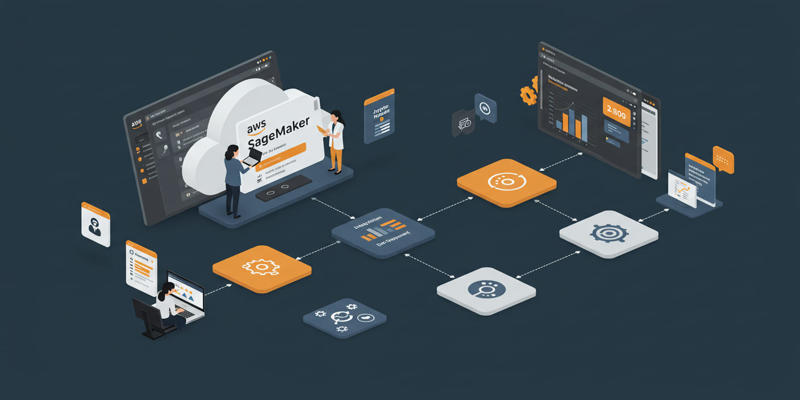
SageMaker Unified Studio AWS creates one unified environment connecting analytics and AI development processes for easy data management, data governance, and generative AI workflow operations.

Job displacement due to AI is reshaping industries and careers worldwide. Learn the key risks involved and explore practical solutions to navigate the future of work