Technology has always borrowed ideas from nature, but now it's looking inward — to the human brain itself. Neuromorphic computing is one of the most exciting developments in artificial intelligence, not because it makes machines faster but because it makes them think differently. Instead of relying on traditional computing rules, this new approach tries to recreate how our brain processes information — learning, adapting, and solving problems on the go.
It’s a bold step toward building smarter, energy-efficient systems that can handle real-world challenges. Neuromorphic computing isn’t just another upgrade — it’s AI inspired by the human brain at its core.
Neuromorphic computing is a new and exciting area of technology that takes its inspiration directly from the human brain. Instead of following the old, traditional way of computing — where machines simply follow fixed instructions — neuromorphic computing aims to create systems that can think, learn, and adapt much like we do. It focuses on building computer chips and circuits designed to work like brain neurons and synapses, allowing machines to handle information in a smarter, more human-like way.
Unlike traditional computers that deal with information in a fixed, sequential way, neuromorphic systems handle several streams of information concurrently, the way our brain works. This enables them to undertake sophisticated tasks such as image analysis, pattern identification, and rapid decision-making more efficiently. What distinguishes them is their energy-efficient design, which tries to replicate the brain's ability to analyze huge amounts of information at very little power consumption.
This technology represents a major shift in how we think about artificial intelligence. Neuromorphic computing isn’t just about making machines faster — it’s about building systems that think more like us. It’s a true example of AI inspired by the human brain, opening doors to smarter, more adaptive technology.
Understanding how neuromorphic computing works starts with looking at the greatest computer ever created—the human brain. Our brain is built with billions of tiny cells called neurons, all connected through pathways known as synapses. These neurons constantly send and receive electrical signals, helping us think, learn, and react in real-time. Neuromorphic computing takes this same idea and applies it to technology. Instead of using the old step-by-step methods found in traditional computers, it uses special chips called neuromorphic processors that act like artificial brains.
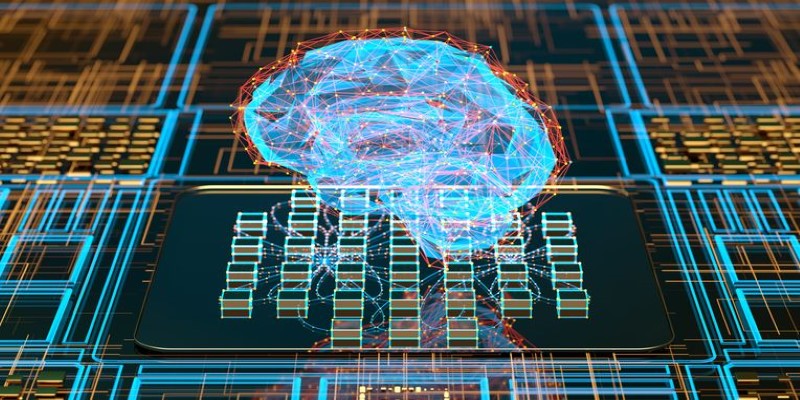
These processors are designed with their version of neurons and synapses, allowing them to function more like a human brain. Instead of simply following instructions, they learn from patterns, adapt to new information, and handle multiple signals at once through parallel processing. This unique ability helps them tackle complex tasks faster and more intelligently. Another standout feature of neuromorphic computing is its energy efficiency. Like the human brain, these chips aim to deliver high performance while consuming very little power.
This isn’t about making machines faster — it’s about making them think and learn more naturally. Neuromorphic computing opens up a future where devices respond, adapt, and evolve just like we do.
Neuromorphic computing is still in its early stages, but its potential is huge. It can make a difference in many areas.
Healthcare is one of the key fields. Medical devices powered by neuromorphic systems can help doctors analyze patient data faster and more accurately. For example, brain implants that can detect and predict seizures or advanced prosthetics that respond naturally to the user’s movements could become possible.
Another area is robotics. Traditional robots follow pre-set commands, but robots with neuromorphic computing can learn from their environment. They can adapt to changes, learn new tasks, and even improve their performance over time. This is a direct example of AI inspired by the human brain at work.
Smart devices like smartphones and home assistants can also benefit. Neuromorphic chips can help these devices understand natural language better, recognize faces, or process images more efficiently. This can lead to devices that respond faster, work better offline, and use less battery power.
Self-driving cars are another exciting area. These cars need to process a huge amount of data from their sensors to make quick decisions on the road. Neuromorphic computing can help these systems analyze data faster, leading to safer and smarter vehicles.
Security systems, industrial automation, and even space exploration are other areas where neuromorphic computing could play a major role. Systems that can learn and adapt will have an edge in environments where conditions change rapidly.
The future of neuromorphic computing looks exciting, but several challenges must be overcome first. Building hardware that mimics the brain’s structure is complex and demands new materials, advanced techniques, and extensive research. Unlike traditional processors, these chips require precise design to achieve both performance and reliability, making the journey toward widespread adoption a long but promising one.
Software development is another obstacle. Most existing programs are built for standard computing systems, not for machines that mimic the brain. Developers will need to create new programming tools, algorithms, and systems that fully unlock the potential of neuromorphic computing.
Important concerns about privacy, safety, and control also exist. As these systems become smarter and more human-like in their behavior, questions arise about how they interact with users and handle sensitive data.
Even with these challenges, the future looks bright. Global research efforts and investments are pushing the technology forward. In time, neuromorphic computing may reshape healthcare, robotics, smart devices, and more. This is no longer just a concept — AI inspired by the human brain is steadily becoming a reality, leading us into a smarter and more adaptive world.
Neuromorphic computing marks a bold step toward a future where machines think, learn, and adapt like humans. By mimicking the brain's structure, this technology promises smarter, faster, and energy-efficient systems. While challenges remain in hardware development, software adaptation, and privacy concerns, the progress so far is inspiring. As research grows, neuromorphic computing will likely shape the next generation of AI-driven devices, making the idea of AI inspired by the human brain a practical reality in our everyday lives.
Learn five powerful ways machine learning transforms digital marketing through smarter targeting, personalization, and support

AI in Customer Service is reshaping how businesses connect with customers through smart chatbots and virtual assistants. Discover how this technology improves support, personalization, and customer satisfaction

Find why 2025 is the perfect year to leverage JavaScript for ML, with real-time apps, edge computing, and cost-saving benefits
Understand artificial intelligence with a clear definition and an in-depth look at its real-world scope across industries, daily life, and future impact
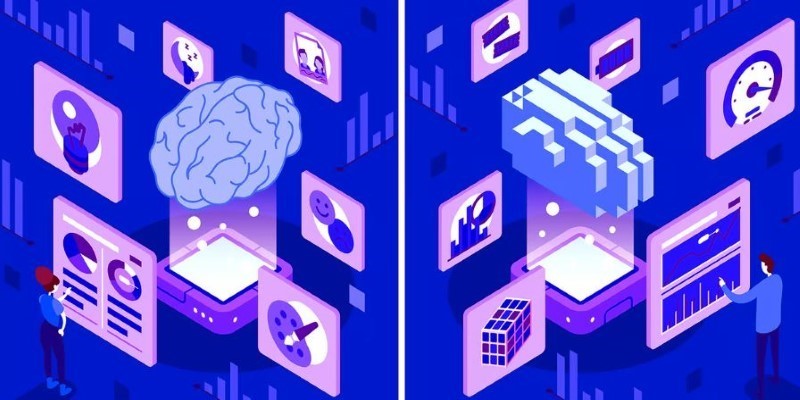
Get a clear understanding of Strong AI vs. Weak AI, including how Artificial General Intelligence differs from task-specific systems and why it matters in today’s tech-driven world

AI security risks are rising, with adversarial attacks targeting machine learning models. Learn how these attacks work and what steps can protect AI systems from growing security threats

AI in Art is reshaping creative industries with Generative Art and Music. Learn how artists are using AI creativity tools to explore new artistic possibilities and redefine modern expression

Conversational chatbots that interact with customers recover carts, and cleverly direct purchases will help you increase sales
How computer vision enables machines to detect and classify objects in real-world scenarios. Learn how this technology works and where it’s headed next

You can follow blogs and websites mentioned here to stay informed about AI advancements and receive the latest AI news daily
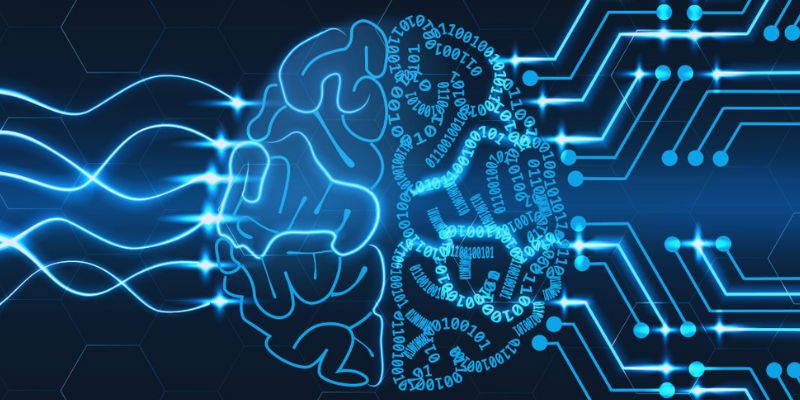
Investigate why your company might not be best suited for deep learning. Discover data requirements, expenses, and complexity

AI for Smart Cities is transforming urban living by improving traffic and energy management systems. Discover how smart technologies are making cities more efficient and sustainable