Building a business on Amazon used to feel like guessing—picking a product, copying competitors, and hoping for the best. But with tools like ChatGPT, that's no longer the case. Now, it's about having a sharp strategy that cuts through the noise. ChatGPT isn't just a digital assistant; it transforms how sellers approach business.
It bridges smart ideas with practical execution and can become the backbone of your Amazon strategy. In this article, we'll explore how ChatGPT works, why it's effective, and how you can use it to gain a competitive edge—without the fluff—just practical, actionable insights and proven methods.
The hardest part of selling on Amazon is knowing what to sell. Everyone talks about finding “winning products,” but most end up copying trends that fade fast. This is where ChatGPT becomes a radar instead of a rearview mirror. Feed it some simple prompts—industry, target market, current top-selling categories—and it can brainstorm product ideas that are niche, underserved, and loaded with potential. Think beyond the usual top-ten lists. ChatGPT can uncover gaps you wouldn’t spot in a basic Helium 10 or Jungle Scout search.
But it goes deeper. You can ask ChatGPT to simulate customer needs, pain points, or seasonal buying habits. You can even layer on constraints: eco-friendly products under $50, items that ship easily, or goods with room for branding. What you get isn’t just a list—it’s a logic-based, data-informed starting point to dig further into demand, competition, and pricing. In short, ChatGPT turns product hunting into product engineering.
Most Amazon listings read like spammy brochures. They scream “buy me” without saying why. But ChatGPT can help create product descriptions and titles that talk to people like people. Instead of stuffing keywords and hoping for clicks, it crafts stories around the product. You can prompt it with real buyer personas—say, “a busy mom looking for a quick storage solution”—and it will write in a tone that connects directly to that kind of shopper.
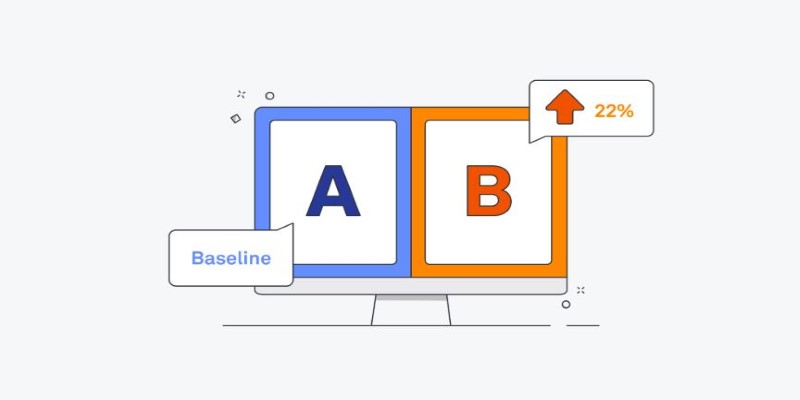
It also speeds up A/B testing. Want to test different bullet point formats, calls to action, or headline tones? ChatGPT can generate multiple versions in seconds. You can even feed it negative reviews from similar products and ask it to write a listing that addresses those exact concerns. What comes out feels sharper, more relevant, and tuned to convert—not just rank.
And when it comes to backend keywords, ChatGPT can suggest long-tail terms that real people actually search for, but that often slip through automated tools. This gives you quiet leverage in organic rankings, especially in tight categories.
What kills a lot of Amazon's momentum isn't the product. It's the reviews. More specifically, it's the support experience that shapes those reviews. That's where ChatGPT steps in as your invisible frontline.
You can create canned responses that feel anything but canned. Train ChatGPT on your brand tone and past responses, then have it write custom replies for common complaints, shipping delays, refund requests, or even weird questions. Buyers feel heard, not brushed off. And when customers feel supported, they're less likely to leave a bad review—or more likely to upgrade to a neutral one.
You can also feed ChatGPT your negative reviews and ask it to find patterns. Is it packaging? Instructions? Quality control? It can help you see what’s behind the words and give you ideas for improving not just the product but also how you position it.
There’s also a smarter way to get positive reviews: post-sale follow-ups. ChatGPT can help draft emails or Amazon message sequences that gently ask for feedback in a way that feels personal, not robotic. That human touch makes a big difference.
If you want to dominate Amazon, you can’t just be a seller. You need to be a brand. And brands need voice, consistency, and strategy across platforms. ChatGPT can be your entire content team in one window. From Instagram captions to blog posts on your product website, it keeps your tone tight and your messaging sharp.
Need a script for a product unboxing video? ChatGPT has you covered. Writing an FAQ section for your brand page? No problem. Want to create a themed bundle with a compelling story? ChatGPT can generate creative campaign ideas, catchy slogans, and memorable taglines to boost your brand’s appeal.
But where it really earns its stripes is in automating the boring stuff. It can help write SOPs, onboarding scripts for VAs, inventory restock email templates, or even hiring posts when you're scaling up. The time it saves adds up. And that time lets you focus on growing the parts of the business that matter most.
Let’s be clear—ChatGPT isn’t magic. You still need a sharp eye, a real strategy, and consistent execution. But it’s like giving yourself leverage in every task you do. You’re no longer guessing your way through Amazon. You’re planning, creating, and refining with a tool that works as fast as your ideas flow.
Winning on Amazon doesn't have to be overwhelming, especially with the power of ChatGPT. By integrating this tool into your strategy, you streamline product research, enhance listing optimization, provide superior customer support, and scale your brand effectively. ChatGPT helps automate time-consuming tasks, allowing you to focus on what truly matters—growing your business. It's not about working harder but smarter. When used thoughtfully, ChatGPT becomes an invaluable partner that amplifies your efforts, giving you the competitive edge you need to stand out in a crowded marketplace. With the right strategy, dominating Amazon is no longer a distant dream but a tangible reality.

best YouTube channels, StatQuest with Josh Starmer, channels focused on applied statistics

Meet the top AI influencers of 2025 that you can follow on social media to stay informed about cutting-edge AI advancements

AI for Smart Cities is transforming urban living by improving traffic and energy management systems. Discover how smart technologies are making cities more efficient and sustainable

Get a clear understanding of Strong AI vs. Weak AI, including how Artificial General Intelligence differs from task-specific systems and why it matters in today’s tech-driven world

AI in space exploration is changing how we study distant planets. Discover how autonomous rovers and mission planning powered by AI are shaping the future of space missions

You can follow blogs and websites mentioned here to stay informed about AI advancements and receive the latest AI news daily
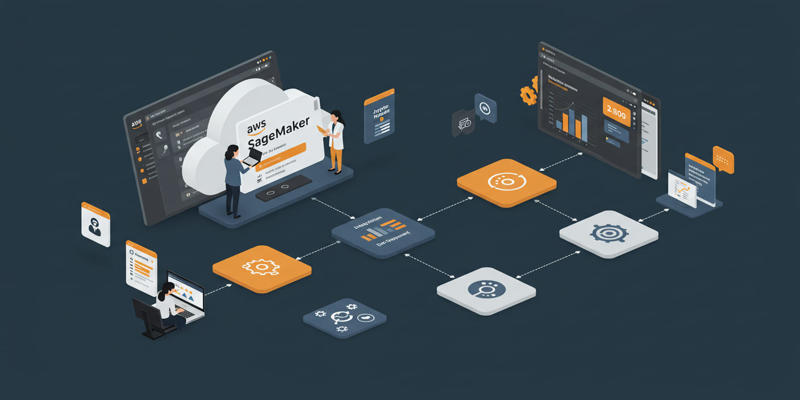
SageMaker Unified Studio AWS creates one unified environment connecting analytics and AI development processes for easy data management, data governance, and generative AI workflow operations.

AI in Legal Tech is reshaping how law firms handle contract analysis and research. Discover how this technology improves accuracy, reduces errors, and saves valuable time in legal processes

Learn simple steps to estimate the time and cost of a machine learning project, from planning to deployment and risk management

How computer vision enables machines to detect and classify objects in real-world scenarios. Learn how this technology works and where it’s headed next

How Convolutional Neural Networks are transforming image processing across industries, enabling machines to interpret visuals with precision and speed

From predicting customer preferences to improving supply chain management, AI has transformed the retail industry in various ways