Mental health is an essential aspect of our overall well-being, but many people still struggle to access proper support. With the rise of technology, AI is stepping in to offer a new way to approach mental health care. Through therapy bots and emotional analysis, AI is providing an alternative for those seeking help in a safe, private, and convenient way.
While not a replacement for human professionals, these tools can offer valuable support by providing guidance, monitoring emotional changes, and even offering early intervention. In this article, we’ll explore how AI is reshaping mental health care and its potential benefits.
AI in mental health leverages advanced technology to understand and respond to human emotions and behaviors. By using natural language processing, machine learning, and data analysis, these tools can offer personalized support. When someone interacts with a therapy bot, the AI analyzes their words, tone, and communication patterns to gain insights into their emotional state. Some systems even pay attention to factors like speech speed, pauses, or word choice to provide more accurate and helpful responses.
What sets AI in mental health apart is its accessibility—these programs are available 24/7, providing a degree of support no human therapist can. They are always available to hear, judgment-free, and able to recommend coping techniques, relaxation exercises, or just a comforting ear.
AI is also better at monitoring emotional fluctuations over time. Through data collection, these systems are able to register very subtle changes in mood, determine stress patterns, and even forecast possible emotional issues. This continuous emotional analysis assists mental health practitioners with more personalized, real-time assistance for patients, which enhances treatment efficacy and proactivity. Benefits of Therapy Bots and Emotional Analysis
Therapy bots and emotional analysis tools offer several benefits in the mental health field. One of the biggest advantages is privacy. Many people avoid therapy because they fear judgment or feel uncomfortable talking face-to-face. Therapy bots offer a safe and private space to express feelings.
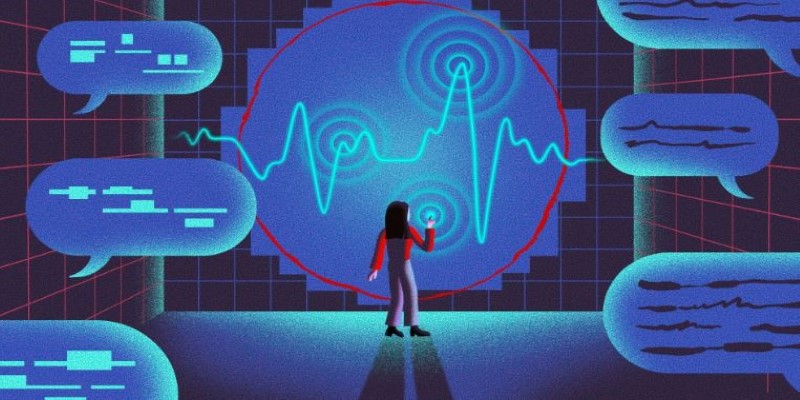
Another key benefit is affordability. Regular therapy sessions can be expensive, and not everyone can afford them. AI in mental health makes support available to people from different backgrounds at little or no cost. This is especially helpful in rural areas where mental health services may be limited.
Therapy bots can also handle common emotional issues like stress management, building confidence, or handling daily anxiety. They provide simple exercises like breathing techniques, journaling prompts, or positive thinking advice. For people who are just beginning their mental health journey, these tools offer a good starting point.
Emotional analysis helps professionals detect problems early. AI tools can notice changes in a person’s mood over time. For example, if someone who usually chats cheerfully with a bot suddenly becomes quiet or negative, the system can alert the person or suggest seeking human support. This kind of early intervention can prevent larger problems from developing.
Moreover, therapy bots and emotional analysis tools can also support professionals. They can analyze large amounts of patient data faster than humans, allowing therapists to focus on personal care while AI handles routine monitoring.
Even with so many benefits, AI in mental health also faces challenges. One of the main concerns is the accuracy of emotional analysis. Human emotions are complex, and sometimes, a machine may not fully understand them. While therapy bots can provide basic support, they still lack the deep empathy and understanding that a human therapist offers.
Privacy is another big concern. Since these tools collect sensitive emotional data, strict security controls must be in place. Users must know how their data is being used, stored, and protected. Without proper transparency, trust in AI mental health tools can decrease.
Another important concern is over-dependence on therapy bots. While they offer quick help, they are not meant to replace professional care in serious cases. People with deep trauma, severe depression, or mental health disorders need human intervention. AI tools should be seen as an additional support system, not the main treatment method.
There is also the issue of cultural sensitivity. AI tools are created based on data from specific groups. This means they may not understand the emotional expressions of people from different cultures or backgrounds. AI in mental health needs to keep improving and learning from diverse user experiences.
The future of AI in mental health looks promising. As technology grows, therapy bots and emotional analysis tools will become smarter and more effective. Companies are working on building more human-like conversations in bots so that users feel more connected.
We may see AI tools integrated into daily life, like smartwatches or mobile apps that monitor mood and provide mental health tips. Emotional analysis might help schools, workplaces, and communities to detect stress levels and offer timely support. This will create a culture where mental health care is a regular part of life, not just a last resort.
Therapy bots may also work more closely with human therapists. AI can handle routine check-ins, reminders, or progress tracking, while human therapists focus on building deeper emotional connections. This balance between technology and human care can create stronger mental health systems around the world.
Of course, the success of AI in mental health will depend on clear rules, ethical practices, and constant improvement. Developers must ensure privacy, inclusiveness, and emotional sensitivity in every tool they create. When used with care and responsibility, therapy bots and emotional analysis tools can help millions of people manage their mental health better.
AI in mental health is offering innovative ways to support emotional well-being through therapy bots and emotional analysis tools. While these technologies provide privacy, accessibility, and early intervention, they are not a replacement for professional care. AI's role is to assist, monitor, and complement human therapists, ensuring timely support. As technology advances, AI can play a vital role in building a more accessible, proactive, and inclusive mental health care system.

AI in Art is reshaping creative industries with Generative Art and Music. Learn how artists are using AI creativity tools to explore new artistic possibilities and redefine modern expression

AI security risks are rising, with adversarial attacks targeting machine learning models. Learn how these attacks work and what steps can protect AI systems from growing security threats
How computer vision enables machines to detect and classify objects in real-world scenarios. Learn how this technology works and where it’s headed next
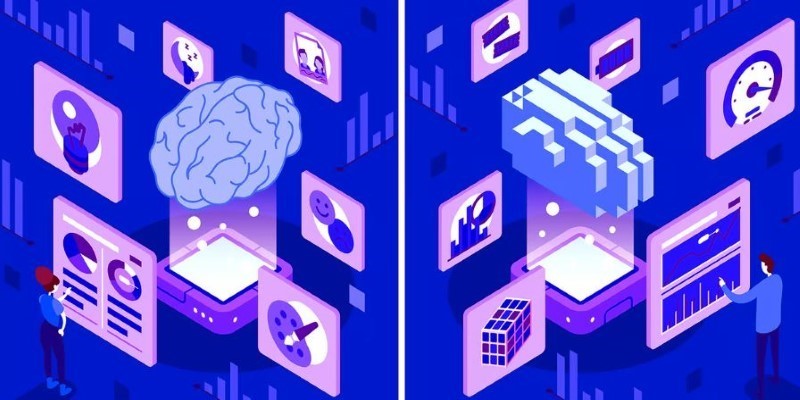
Get a clear understanding of Strong AI vs. Weak AI, including how Artificial General Intelligence differs from task-specific systems and why it matters in today’s tech-driven world

AI in Customer Service is reshaping how businesses connect with customers through smart chatbots and virtual assistants. Discover how this technology improves support, personalization, and customer satisfaction

Meet the top AI influencers of 2025 that you can follow on social media to stay informed about cutting-edge AI advancements

Job displacement due to AI is reshaping industries and careers worldwide. Learn the key risks involved and explore practical solutions to navigate the future of work

Find out the key differences between symbolic AI vs. subsymbolic AI, their real-world roles, and how both approaches shape the future of artificial intelligence
How AI in advertising is transforming targeted marketing campaigns by enabling businesses to create personalized ads, improve customer experience, and boost conversion rates. Learn the future trends in AI-driven advertising

AI for Smart Cities is transforming urban living by improving traffic and energy management systems. Discover how smart technologies are making cities more efficient and sustainable
Investigate why your company might not be best suited for deep learning. Discover data requirements, expenses, and complexity
Neuromorphic computing is transforming artificial intelligence by mimicking the human brain. Learn how AI inspired by the human brain is leading to smarter and more energy-efficient technology