In today’s digital age, the way businesses approach advertising has drastically evolved, thanks to the power of artificial intelligence (AI). Gone are the days of generic ads aimed at broad audiences. Now, AI allows advertisers to target individuals with highly personalized content tailored to their preferences, behaviors, and interests.
This shift towards targeted marketing campaigns is changing the landscape of advertising, offering companies a more efficient and effective way to connect with their customers. With AI at the helm, businesses can deliver relevant ads at the right moment, ultimately driving engagement and improving ROI.
AI has completely transformed the way businesses approach advertising, making it not only more efficient but also far more effective. Traditional marketing often relied on broad demographic factors like age, gender, or location to define its audience. But AI takes personalization to an entirely new level. By analyzing vast amounts of data, AI can predict individual customer behaviors and preferences with impressive accuracy.
Machine learning algorithms sift through customer data, such as browsing habits, past purchases, and social media interactions, to create a detailed profile of what a customer might be interested in next. This enables marketers to craft highly tailored campaigns that resonate with their audience on a personal level. What's more, AI allows for real-time adjustments, tracking how customers interact with ads and instantly modifying strategies to maximize engagement and performance.
Perhaps the most revolutionary feature of AI in marketing is its capability to produce dynamic, real-time advertisements. Since customer information is updated in real-time, AI can instantly change ad content to reflect changing offers and messages. This level of precision and agility is something traditional marketing could never achieve, giving businesses a distinct advantage in an increasingly competitive landscape. Ultimately, AI-powered targeted marketing not only improves ad relevance but also increases the chances of converting viewers into loyal customers.
AI's impact on advertising goes beyond simply increasing the relevance of ads. There are several significant benefits to using AI in targeted marketing campaigns that help businesses not only reach the right audience but also maximize their return on investment.

AI enables businesses to optimize ad spend by focusing on the audience most likely to engage. This reduces waste and ensures that marketing dollars are spent where they're most effective, ultimately boosting ROI and delivering more value from each campaign.
By leveraging AI to personalize ads, businesses offer more meaningful content tailored to individual preferences. This reduces ad fatigue, fostering positive customer relationships and making interactions feel more genuine, which enhances overall customer satisfaction and loyalty.
AI provides marketers with powerful insights into campaign performance, allowing for real-time adjustments. By analyzing data at scale, businesses can uncover trends, refine strategies, and continuously improve ad effectiveness, leading to more informed decision-making.
AI-driven targeted ads significantly increase the likelihood of consumer action. By serving relevant content to the right individuals at the right moment, businesses see higher conversion rates, whether it’s making a purchase, signing up, or engaging with a brand.
There are several real-world examples where AI is used to optimize advertising campaigns and deliver a personalized experience. Many of these examples are already familiar to most consumers, as AI has become an integral part of modern advertising strategies.
Platforms like Facebook, Instagram, and LinkedIn use AI to deliver hyper-targeted ads. By analyzing user behavior, interests, and past interactions, AI ensures ads reach the most relevant audience. This precision increases engagement and boosts conversion rates, allowing businesses to connect with their audience on a deeper, more personal level.
Programmatic advertising uses AI to automate ad buying in real-time, instantly targeting the right audience. By processing massive data sets in milliseconds, AI ensures that ads are shown to the most relevant users at the perfect moment. This process streamlines ad placement, improving efficiency and maximizing the effectiveness of marketing efforts.

AI is revolutionizing search engine marketing by dynamically adjusting ad placements. With platforms like Google Ads, AI analyzes search patterns and optimizes bids, ensuring businesses reach the most relevant users. This real-time optimization not only maximizes ad spend but also enhances the user experience by showing personalized, meaningful ads during searches.
AI is elevating email marketing by tailoring messages based on individual customer behaviors. By segmenting audiences and analyzing engagement, AI-driven platforms send personalized, relevant emails that resonate with recipients. This approach leads to higher open rates and more conversions, making email campaigns more effective and efficient in engaging customers.
As technology advances, AI's influence on advertising will only expand. Marketers are increasingly leveraging AI not only to enhance ad targeting but also to predict consumer behavior and future trends. With breakthroughs in natural language processing (NLP) and computer vision, AI will become even more capable of understanding customer preferences and delivering highly personalized experiences.
A key area of growth for AI in advertising is voice search and virtual assistants like Amazon Alexa and Google Assistant. As voice-activated devices become more common, AI will enable relevant, real-time ads tailored to a user’s immediate context. Furthermore, AI-powered chatbots will play a larger role, offering real-time customer interaction, personalized recommendations, and even completing transactions, making the customer experience more seamless and engaging.
AI has fundamentally transformed targeted marketing, enabling businesses to deliver personalized and relevant ads with unmatched precision. By leveraging AI in social media, programmatic advertising, search engine marketing, and email campaigns, companies can enhance customer engagement, optimize ad spend, and boost conversions. As AI continues to evolve, its role in shaping more efficient, data-driven marketing strategies will only grow, helping businesses connect with their audiences more effectively and drive better results across the board.

Learn five powerful ways machine learning transforms digital marketing through smarter targeting, personalization, and support
How computer vision enables machines to detect and classify objects in real-world scenarios. Learn how this technology works and where it’s headed next
AI in Customer Service is reshaping how businesses connect with customers through smart chatbots and virtual assistants. Discover how this technology improves support, personalization, and customer satisfaction

Find out the key differences between symbolic AI vs. subsymbolic AI, their real-world roles, and how both approaches shape the future of artificial intelligence

From predicting customer preferences to improving supply chain management, AI has transformed the retail industry in various ways

Discover 20+ key content marketing statistics from 2024 to refine your 2025 strategy and boost engagement, ROI, and conversions
Discover 7 free and paid LLMs to enhance productivity, automate tasks, and simplify your daily personal or work life.

You can follow blogs and websites mentioned here to stay informed about AI advancements and receive the latest AI news daily

AI in Legal Tech is reshaping how law firms handle contract analysis and research. Discover how this technology improves accuracy, reduces errors, and saves valuable time in legal processes

Find why 2025 is the perfect year to leverage JavaScript for ML, with real-time apps, edge computing, and cost-saving benefits
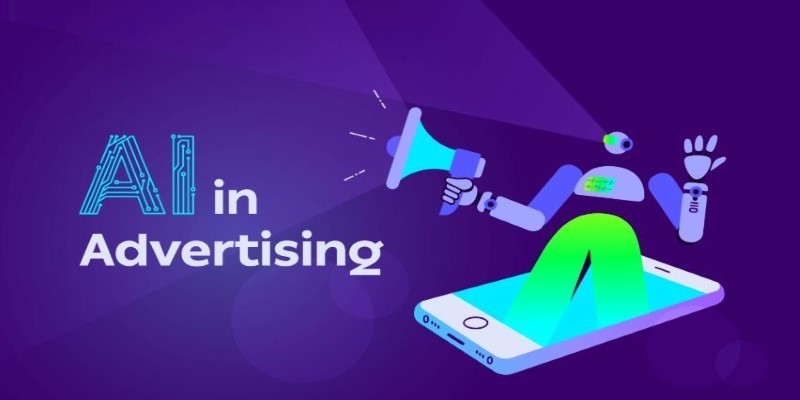
How AI in advertising is transforming targeted marketing campaigns by enabling businesses to create personalized ads, improve customer experience, and boost conversion rates. Learn the future trends in AI-driven advertising
Understand artificial intelligence with a clear definition and an in-depth look at its real-world scope across industries, daily life, and future impact