You must have heard AI is making life easier, improving the businesses, and helping the industries grow. The retail industry, for example, is evolving quickly, and with AI now, retailers have changed how they connect with their customers. Also, artificial intelligence helps sellers predict customer behavior, offers a personalized shopping experience to buyers, and even assists in managing inventory.
In addition, AI is making shopping easier with visual search, boosting sales with pricing strategies, and improving store security. Therefore, for now, more than 80% of global brands are adopting AI to stay ahead of the competition and meet demands. If you are still interested in how AI is revolutionizing the retail industry and want to understand its impact in detail, keep reading!
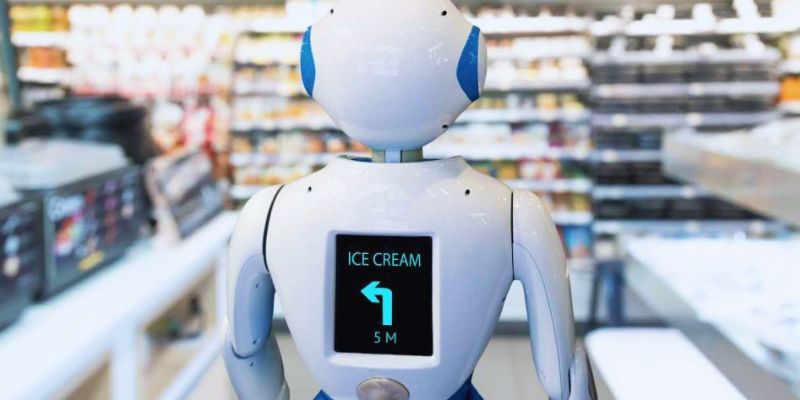
Here are the 11 Ways AI Can Improve the Retail Industry:
Using AI, businesses can analyze large sets of past and current data to find patterns and trends. Retailers can use this information to predict upcoming changes in customer preferences. By understanding these shifts, companies can adjust their strategies in advance instead of reacting after the change happens. Additionally, this helps them stay competitive, meet customer needs, and make smarter decisions. Using AI to understand customers' behavior keeps business strategies up-to-date and focused on what customers want from the brand.
AI chatbots and voice assistants like Siri, Alexa, and Google Assistant are used in the retail industry to improve customers' experience. Advanced machine learning helps AI assist shoppers at self-checkouts, trial rooms, or store shelves by having real-time conversations. Online, they help customers by suggesting products, sharing updates on new arrivals, and helping them find items easily. Around 80% of global brands use AI chatbots to enhance the shopping experience. For example, 1-800-Flowers uses its virtual assistant, Gwyn, to guide and support customers.
Visual search is a growing trend in online shopping. In visual search, customers use images instead of words to find products. With the help of smartphone cameras, shoppers can take a photo of an item they like. Image-based search tools will show similar or related products. Some advanced tools even use augmented reality to help customers see how a piece of furniture would look in their room. It makes shopping more fun and personal while helping retailers offer better suggestions based on customer wants.

AI helps retailers manage their supply chains. AI can predict product demand and prevent shortages. With AI-powered tools like RFID tags and real-time data analysis, businesses can track trends like fashion and customer behavior to make smarter decisions. For example, a fashion company improved its sales forecasting with software from Achievion. Otto, an online store in Germany, uses AI to predict what will sell in 30 days with 90% accuracy. It has helped reduce the extra stock by 50% and allowed them to automate monthly purchases from suppliers without humans.
AI is making shopping faster and easier through AI checkout systems. These smart checkouts automatically scan items. It reduces the need for cashiers and speeds up the process. With fewer staff, stores can cut costs and avoid long lines. A great example is Amazon Go, a grocery store where customers walk in, grab what they need, and leave. AI tracks their purchases and charges them automatically. While Amazon Go stores are still limited, the company plans to expand this idea across the U.S. This process will make shopping quicker and easier for everyone.
Today's shoppers, especially Gen Z, care a lot about how a website looks and feels. More than 80% say a website's design affects their buying decision. That is why personalizing the shopping experience is more important than ever. AI helps by customizing the website for each visitor in real time based on their preferences and past behavior. It means shoppers see products, offers, and layouts that match their interests. It makes it easier for them to find what they want. A personalized experience keeps customers engaged and increases their chances to purchase.
AI helps retailers set the right prices to attract customers and boost sales. It uses data like past demand, customer habits, weather changes, and competitor prices to create smart pricing strategies. It helps businesses adjust prices based on market trends and what customers are willing to pay. The rising tariffs increase costs, so retailers need to understand how pricing affects shoppers. AI tools can predict these impacts and suggest better price points. For example, Kroger uses AI to automatically adjust prices, help it stay competitive, and meet customer needs.
AI helps retailers understand how customers feel while shopping. Walmart, for example, uses facial recognition to monitor customer satisfaction at checkout. If the AI detects frustration, it alerts staff to step in and assist the customer, drastically improving the customer experience. Similarly, Shop Direct, a UK-based online retailer, has partnered with IBM to develop AI-powered assistants that can sense customers' moods. By tracking customer emotions, both companies can respond quickly to improve satisfaction and ensure shoppers leave with a positive experience.
AI can help with personalizing product recommendations. It can significantly boost sales, with 70% of shoppers more likely to purchase an item when suggested. AI plays an important role in analyzing large amounts of customer data. Understanding shopping habits and preferences, AI-powered systems can recommend products that align with what customers are likely to want. This level of personalization helps retailers create a more tailored shopping experience.
AI helps retailers improve efficiency by automating tasks like data entry and information from unorganized sources. It gives back-office employees more time to focus on complex tasks and improve productivity. AI transforms how documents are stored, managed, and searched in the retail industry. For example, Google's new AI tools can scan documents, find products, and even handle calls. This technology makes it easier for businesses to manage information and improve their business.
AI-powered cameras can help prevent theft by detecting suspicious behavior and alerting staff at the right time. It helps reduce inventory loss and keeps stores safer. For example, Amazon uses AI cameras in over 1,000 stores to reduce checkout theft, fraud, errors, and product waste. AI also improves security by tracking how people move through malls and stores. Achievion developed a smart system that analyzes foot traffic and provides useful data about shoppers. It helps store owners better understand their customers and improve customer loyalty by creating a safer place.
AI is transforming the retail industry in once unimaginable ways. It is helping retailers stay competitive and provide customers with smarter, more efficient services. By using advanced machine learning and real-time data, businesses can predict customer preferences and enhance the shopping experience. AI's role in retail will only grow, making it an important tool for businesses and consumers.

How computer vision enables machines to detect and classify objects in real-world scenarios. Learn how this technology works and where it’s headed next

Learn five powerful ways machine learning transforms digital marketing through smarter targeting, personalization, and support
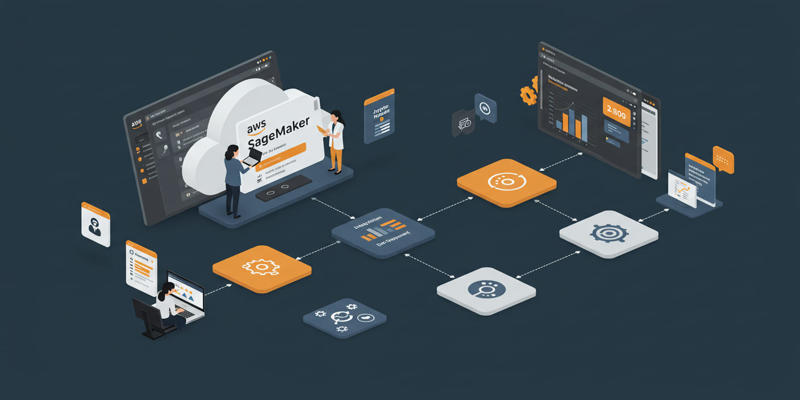
SageMaker Unified Studio AWS creates one unified environment connecting analytics and AI development processes for easy data management, data governance, and generative AI workflow operations.

best YouTube channels, StatQuest with Josh Starmer, channels focused on applied statistics

Understand artificial intelligence with a clear definition and an in-depth look at its real-world scope across industries, daily life, and future impact

Job displacement due to AI is reshaping industries and careers worldwide. Learn the key risks involved and explore practical solutions to navigate the future of work

Neuromorphic computing is transforming artificial intelligence by mimicking the human brain. Learn how AI inspired by the human brain is leading to smarter and more energy-efficient technology

Meet the top AI influencers of 2025 that you can follow on social media to stay informed about cutting-edge AI advancements
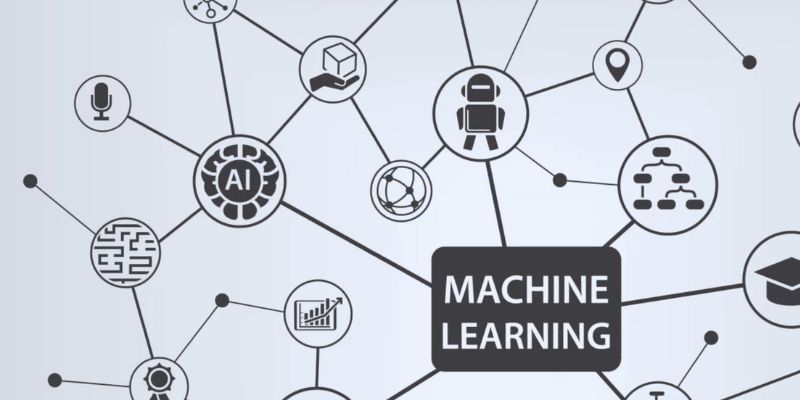
Learn simple steps to estimate the time and cost of a machine learning project, from planning to deployment and risk management

Find out the key differences between symbolic AI vs. subsymbolic AI, their real-world roles, and how both approaches shape the future of artificial intelligence

Discover 20+ key content marketing statistics from 2024 to refine your 2025 strategy and boost engagement, ROI, and conversions

AI in space exploration is changing how we study distant planets. Discover how autonomous rovers and mission planning powered by AI are shaping the future of space missions