Artificial intelligence is often lumped together, but it’s important to understand that there are two main types: Strong AI and Weak AI. While both fall under the same category of machine intelligence, they differ drastically in their abilities. Weak AI, like Siri or a robotic surgeon, is task-specific and lacks true understanding.
Strong AI, still theoretical, would be capable of independent thinking and reasoning. The core difference is whether the machine truly understands its actions or just follows instructions. Understanding these distinctions helps us navigate the capabilities and future potential of AI in an increasingly automated world.
Weak AI, also known as narrow AI, is the kind of artificial intelligence we use every day. It's designed for a specific task, and that's all it knows how to do. Ask it to do something even slightly outside its lane, and it's lost. Think of a calculator. It can solve equations in milliseconds, but if asked to play chess or recognize a face, it's useless.
In more modern terms, Weak AI powers your phone assistant, filters spam emails, recommends Netflix shows, and drives your robot vacuum around the house. These systems mimic intelligence, but they don’t really “understand” anything. They recognize patterns, follow logic flows, and use massive amounts of data to give results that feel intelligent, but under the hood, it’s pure automation.
Even something like GPT, which can write essays and answer questions, falls under Weak AI. It doesn't "know" what it's saying—it draws on statistical patterns from its training data. If it sounds smart, it's because it's really good at guessing the next word. That's it.
Weak AI is amazingly helpful and improving daily. It's changing the way we work and live. But it isn't conscious, doesn't feel, or has a self-motivated sense of purpose. It doesn't dream of electric sheep—it merely does what it's been programmed (or trained) to do.
Strong AI is a whole different beast. Also known as Artificial General Intelligence (AGI), Strong AI isn't built just to solve a particular task—it's meant to think like a human. That means reasoning, problem-solving, learning across domains, and applying knowledge in new and unfamiliar ways. In short, Strong AI would be capable of understanding context, forming beliefs, making decisions, and even questioning its existence.
We’re not there yet—not even close. While Weak AI is already shaping industries, Strong AI is still mostly theoretical. Researchers are working on it, but we haven’t built a machine that genuinely thinks, understands, or feels. Some futurists believe Strong AI could arrive in decades; others think it might never happen.
Why is it so hard to build? Because human intelligence isn’t just a matter of storing facts and reacting to input. It involves nuance, creativity, emotions, and an understanding of self. These are things we don’t even fully understand about ourselves, let alone know how to replicate in code. Teaching a machine to "know" it exists, or to feel sadness, or to appreciate art isn’t just a technical hurdle—it’s philosophical.
If Strong AI does become real, it could revolutionize everything. It wouldn’t just do tasks faster; it could think independently, question commands, and maybe even make moral decisions. But that power comes with risk. A machine that truly thinks for itself isn’t just a tool anymore—it’s something else entirely.
The primary difference between Strong AI and Weak AI lies in the depth of cognition. Weak AI operates within strict constraints, following preset rules and data inputs to deliver outcomes. It excels at specific tasks, like recognizing patterns or answering questions based on previous knowledge. However, Weak AI’s capacity is limited—it can’t venture beyond its programming. It remains fast, efficient, and tireless, but it lacks flexibility. For instance, ask it to perform a task it hasn’t been programmed for, and it’ll fail. It doesn’t question or adapt in ways that we might expect from intelligent behavior.
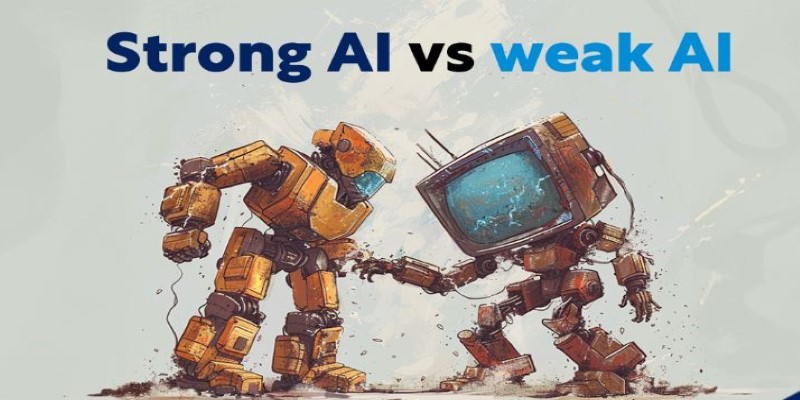
In contrast, Strong AI is designed to be far more versatile. It could analyze a novel situation, assess potential outcomes, and offer a solution without needing explicit instructions. Unlike Weak AI, which is reactive, Strong AI is proactive. It might even evaluate ethical considerations or long-term consequences before making decisions. Theoretically, Strong AI could ask questions, pursue knowledge, and make independent judgments based on reasoning, not just data.
This difference isn't just technical—it has massive implications. Weak AI is already reshaping industries like healthcare, finance, and customer service by enhancing efficiency, accuracy, and automation. It's a powerful tool that helps humans but doesn't replace us. Strong AI, however, could alter the very nature of what it means to be human. If a machine can think, reason, and potentially feel, it could blur the lines between human and machine intelligence.
Another key distinction is control. Weak AI is predictable and manageable, but once Strong AI reaches a level of independent thinking, it becomes far harder to control. This raises critical discussions about safety, ethics, and regulation. As we witness AI-generated art, deepfakes, and synthetic voices, the question arises—what if machines begin to argue for their rights? This issue is not just technological; it's a societal shift, one that could redefine our relationship with machines.
Understanding the difference between Strong AI and Weak AI is crucial as we navigate a world increasingly influenced by artificial intelligence. While Weak AI powers many everyday tools, it lacks true understanding or consciousness. Strong AI, if achieved, could revolutionize our interactions with machines, offering independent thought and decision-making. Recognizing these distinctions helps ensure we build AI responsibly, with awareness of its current limitations and future potential. The journey from automation to autonomy is a delicate one.

best YouTube channels, StatQuest with Josh Starmer, channels focused on applied statistics

From predicting customer preferences to improving supply chain management, AI has transformed the retail industry in various ways

Discover 20+ key content marketing statistics from 2024 to refine your 2025 strategy and boost engagement, ROI, and conversions

AI in Art is reshaping creative industries with Generative Art and Music. Learn how artists are using AI creativity tools to explore new artistic possibilities and redefine modern expression
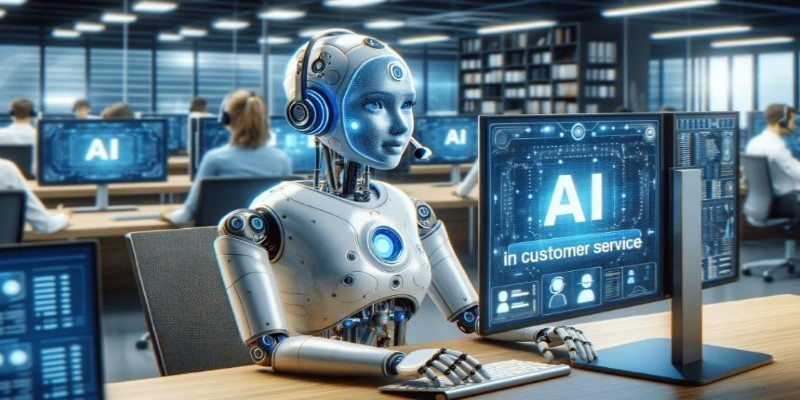
AI in Customer Service is reshaping how businesses connect with customers through smart chatbots and virtual assistants. Discover how this technology improves support, personalization, and customer satisfaction

You can follow blogs and websites mentioned here to stay informed about AI advancements and receive the latest AI news daily
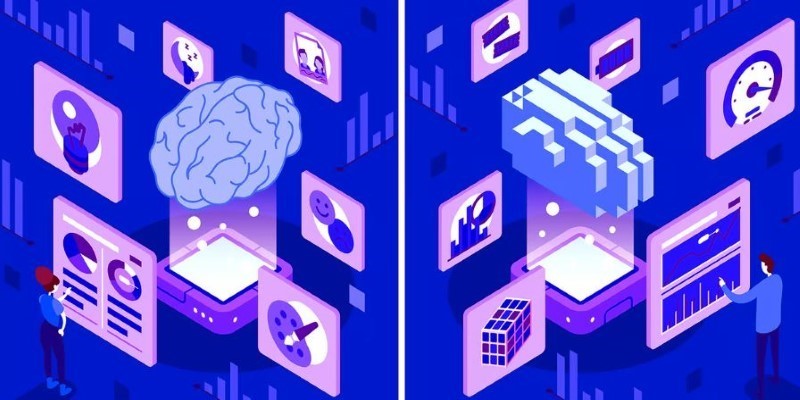
Get a clear understanding of Strong AI vs. Weak AI, including how Artificial General Intelligence differs from task-specific systems and why it matters in today’s tech-driven world
Understand artificial intelligence with a clear definition and an in-depth look at its real-world scope across industries, daily life, and future impact
AI security risks are rising, with adversarial attacks targeting machine learning models. Learn how these attacks work and what steps can protect AI systems from growing security threats
Learn how AI can transform content creation with these 8 impactful blog post examples to enhance your writing process.
Learn five powerful ways machine learning transforms digital marketing through smarter targeting, personalization, and support

Unlock game-changing secrets to dominate Amazon with ChatGPT. Discover how this powerful AI tool can transform your product research, listing optimization, customer support, and brand scaling strategies, giving you a competitive edge on Amazon